Building Stronger Trees Before Problems Start
Corrective Pruning in Rochester for younger trees with crossing limbs, weak attachments, or poor structure that threaten long-term stability
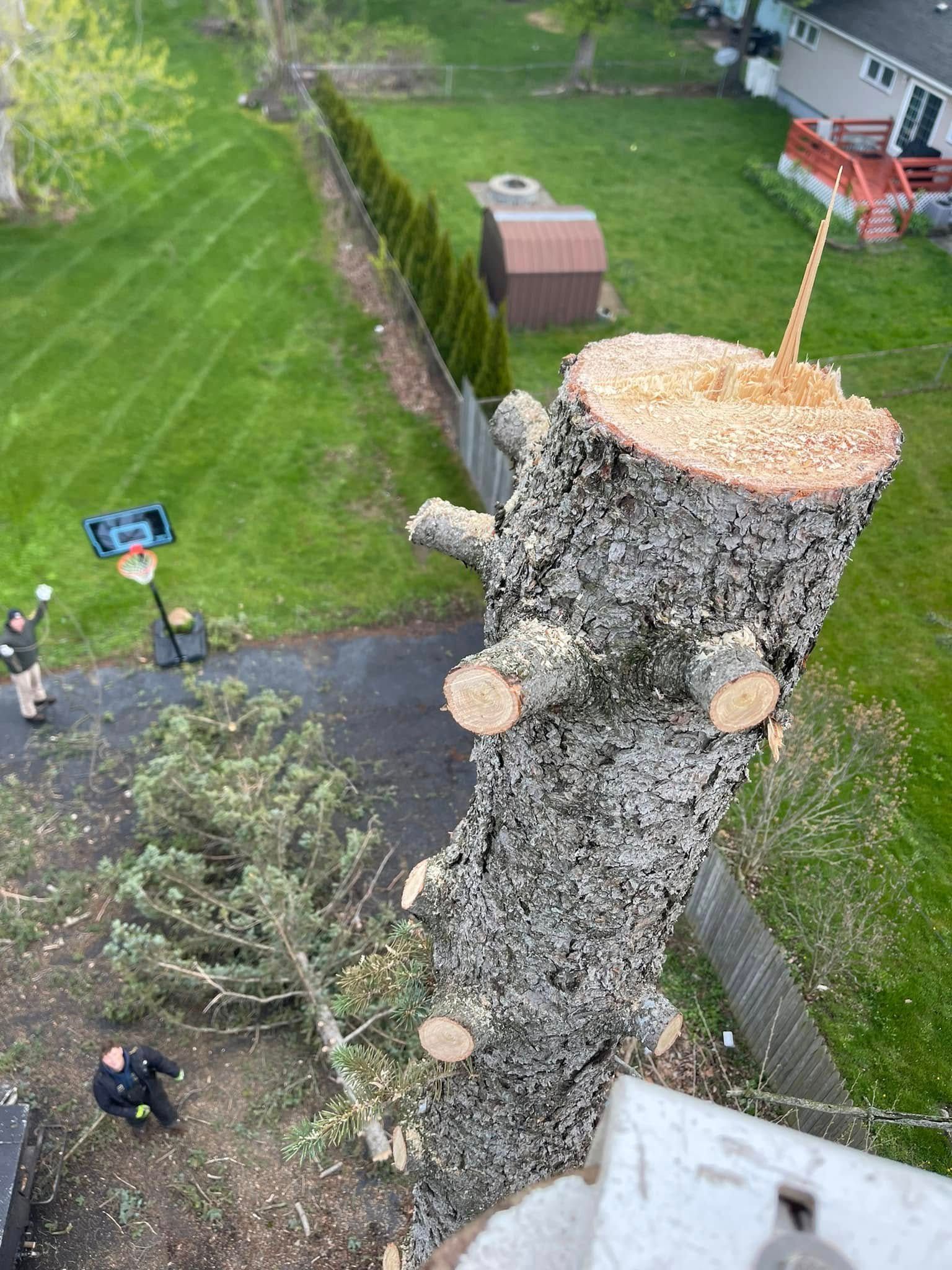
Elite Tree Service removes structurally weak, crossing, or poorly attached branches from younger trees to guide proper growth and reduce the risk of future failure. In Rochester neighborhoods where trees are still developing their canopy structure, corrective pruning addresses faults early, before they lead to storm damage or costly removal. This service is most effective when trees are between five and fifteen years old, while their form is still responsive to selective cuts.
The work focuses on eliminating branches that compete for the same space, grow at narrow angles to the trunk, or create weak points where splits are likely during heavy snow or wind. Western New York winters place significant load on tree canopies, and limbs with poor attachment points often fail under those conditions. Corrective pruning also removes diseased or damaged wood before decay spreads into the trunk or scaffolding branches, preserving the overall health and longevity of the tree.
If you have younger trees on your property and want to improve their structure before issues develop, contact Elite Tree Service to schedule an assessment and pruning plan.
What Corrective Pruning Addresses
You will see an arborist evaluate the tree's structure and identify which branches should be removed to support safe, balanced growth. Cuts are made at the branch collar to promote proper healing, and the number of cuts is limited to avoid stressing the tree. Tools used include hand saws, pole pruners, and occasionally a small chainsaw for thicker limbs, depending on tree size and access.
After pruning is complete, the tree will have a more open canopy, better light penetration, and reduced weight on weak unions. Elite Tree Service leaves the tree in a state that supports continued growth without structural liabilities. You will notice fewer crossing branches, a clearer central leader, and a canopy that is less likely to suffer limb loss during the next storm season.
This service does not include large tree removals, stump grinding, or treatment of insect infestations. It is a targeted maintenance practice designed to improve tree architecture and prevent future problems. If disease or pest issues are present, those may need separate treatment or consultation with a certified arborist.
Common Questions About Pruning Young Trees
Corrective pruning is often misunderstood as cosmetic trimming, but it serves a structural purpose that affects the tree's ability to withstand weather and age without failure.
What is a weak branch union and why does it matter?
A weak union occurs when two branches grow too closely together with bark trapped between them, creating a fault line. These unions are prone to splitting under load and are a primary cause of storm damage in mature trees.
How much of the tree can be removed during corrective pruning?
Generally, no more than twenty-five percent of the canopy should be removed in a single season to avoid stressing the tree. Cuts are selective and based on structure, not volume reduction.
When is the best time to prune young trees in Rochester?
Late winter or early spring, before leaf emergence, is ideal because wounds close quickly and the tree's energy is focused on new growth rather than foliage maintenance.
Why not wait until the tree is older to address structural problems?
Structural faults become harder to correct as trees mature, and removing large limbs later creates bigger wounds, greater expense, and higher risk of decay. Early intervention is more effective and less invasive.
What happens if corrective pruning is never performed on a young tree?
The tree may develop co-dominant stems, included bark, or an unbalanced canopy that increases the likelihood of limb failure, storm damage, or premature decline as it matures.
If you want to give your trees the best chance of growing strong and stable, Elite Tree Service can evaluate their current structure and provide corrective pruning that supports long-term health and safety.